Purpose

The Ontario Invasive Plant Council (OIPC) provides leadership, expertise and a forum to engage and empower Ontarians to take action on invasive plant issues. 

Who We Are

The OIPC is a non-profit, multi-agency organization founded in April 2007 by a group of individuals and organizational representatives who saw the need for a coordinated provincial response to the growing threat of invasive plants. The OIPC contracts its business office support from one of the OIPC Board member organizations, the Ontario Federation of Anglers and Hunters. We currently have two staff, located in the OFAH building in Peterborough.

Click Here to see the current list of Board representatives, committee chairs and OIPC staff.  

History

Since it's inception, the OIPC has created a network of over 600 people to receive and post information on invasive plants, has held five annual general meetings/Invasive plant Symposiums and has developed 5 council committees in order to facilitate collaborative provincial action. These groups are working on increasing awareness across the province, reviewing legislation and identifying the gaps in order to make change and maintain a user-friendly forum to increase communication between those working in the field of invasive plant management, control and outreach.

Support

Your continued support is the key to our success and helps us to
provide more information and education workshops, conferences, meetings and updates.


What's New
  • We are on Twitter!  Follow us to get daily updates. Follow @OIPC1
  • A new invasive grass was found in the grey-bruce area.  Slender False-brome (Bracypodium sylvaticum), is a perennial grass native to Europe, Asia and north Africa.  Now is an ideal time to be looking out for this species.  For more information about False Brome click here.
  • The OIPC has a travel mug for sale.  The ceramic eco mug with an OIPC logo is being sold for $20.00 with proceeds going to the Council.  Contact Us at oipc@ofah.org  today to get yours.
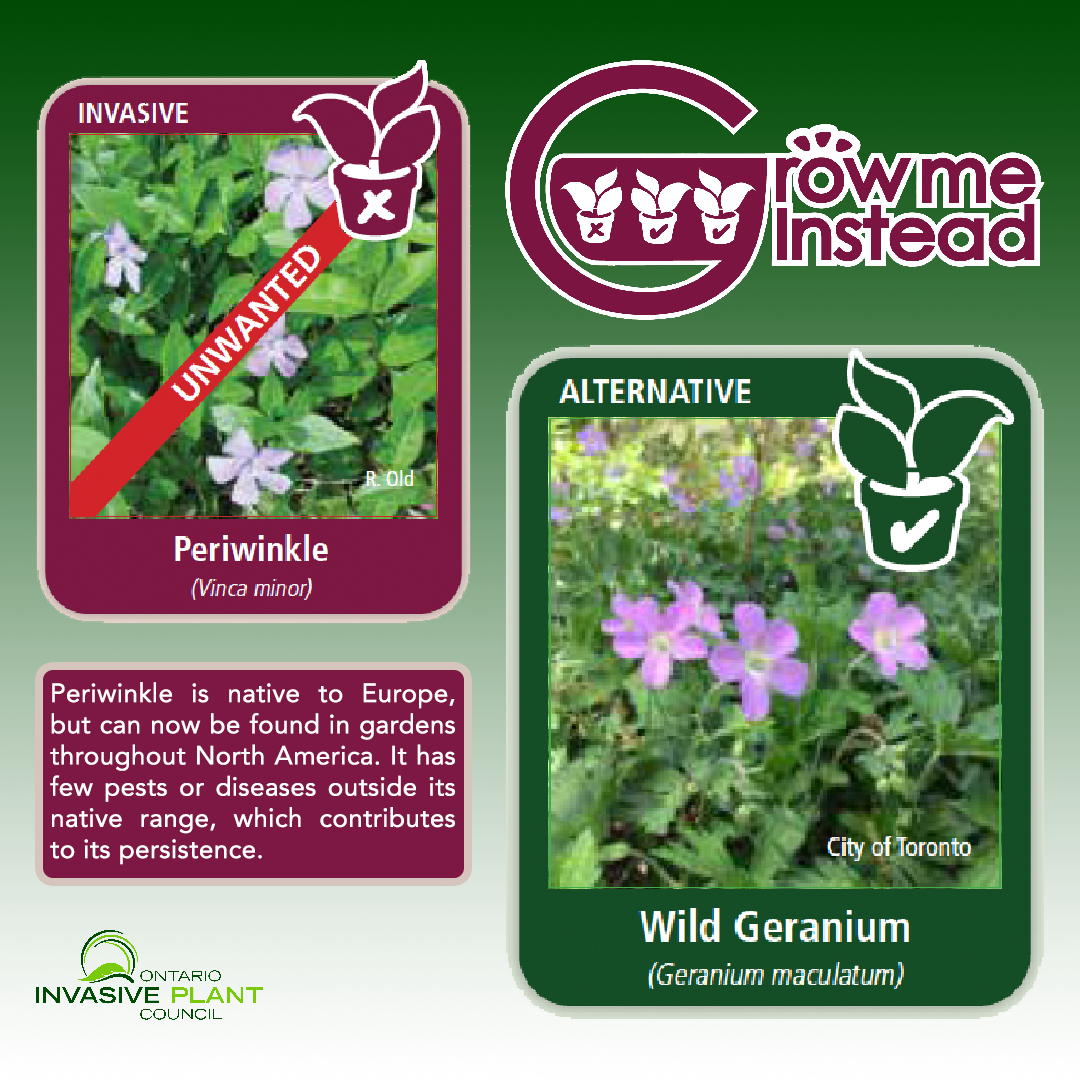
  • Grow Me Instead - The guide is complete! click here for a PDF version, or contact the coordinator for print copies 
  • Giant Hogweed Managers List is now available, click here for the PDF
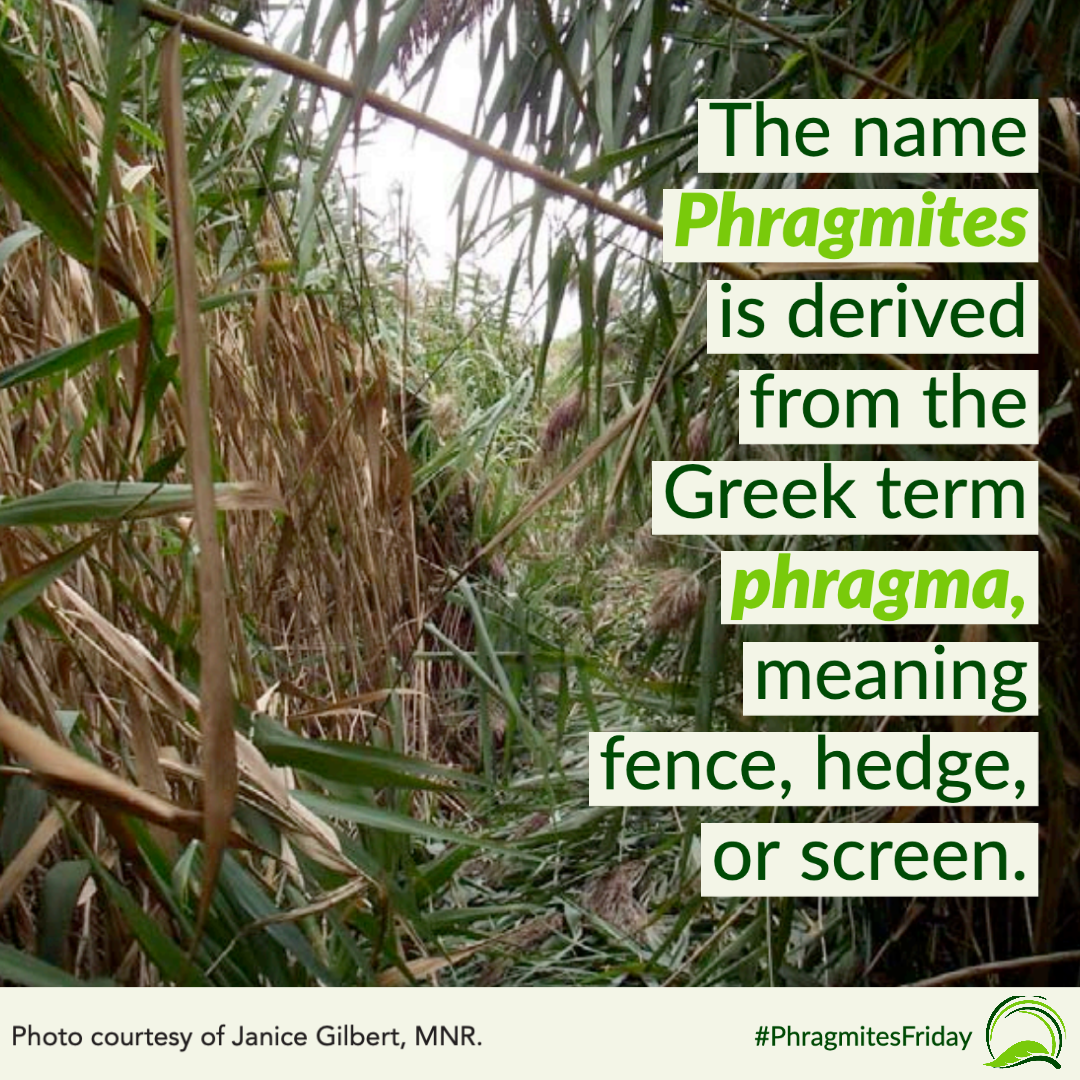
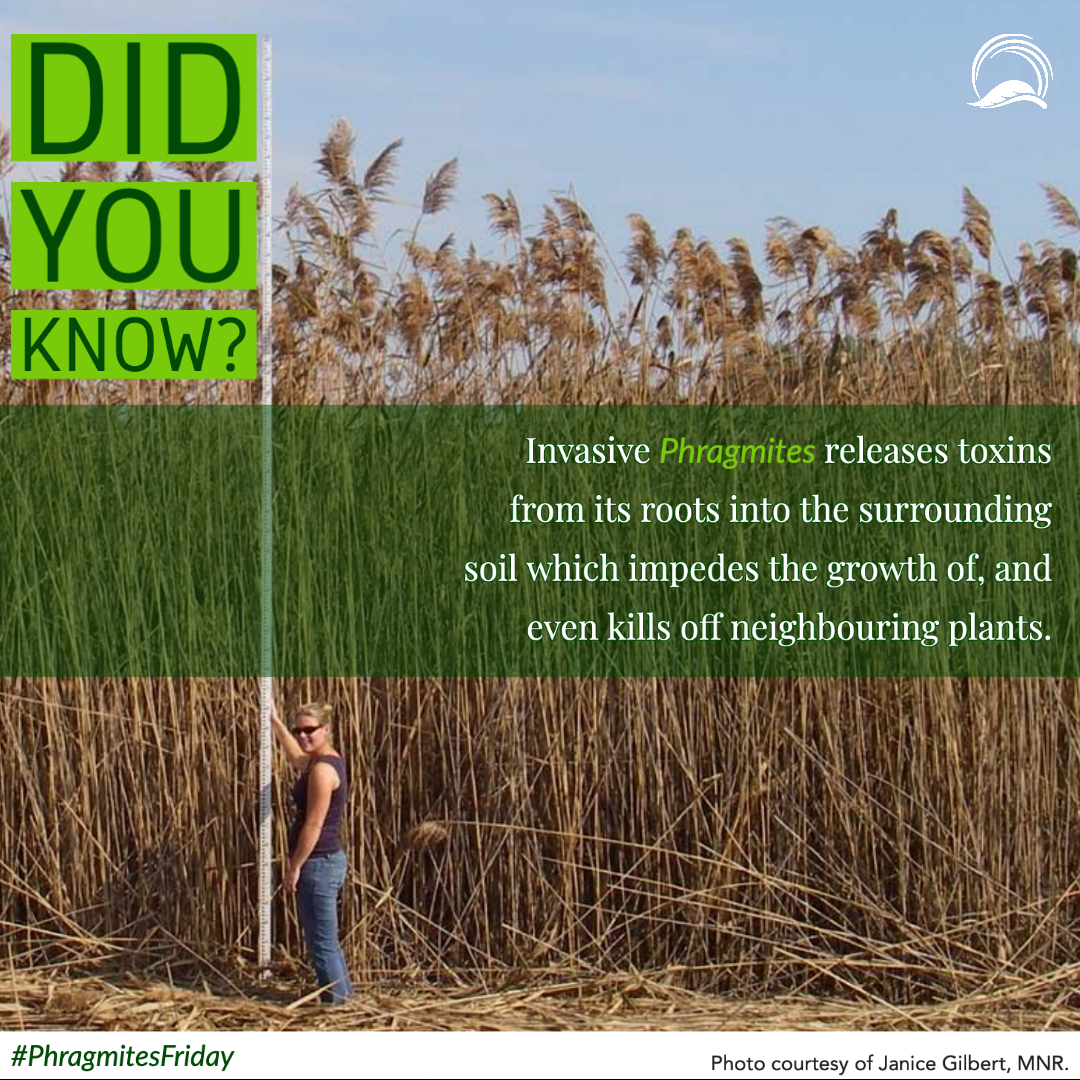
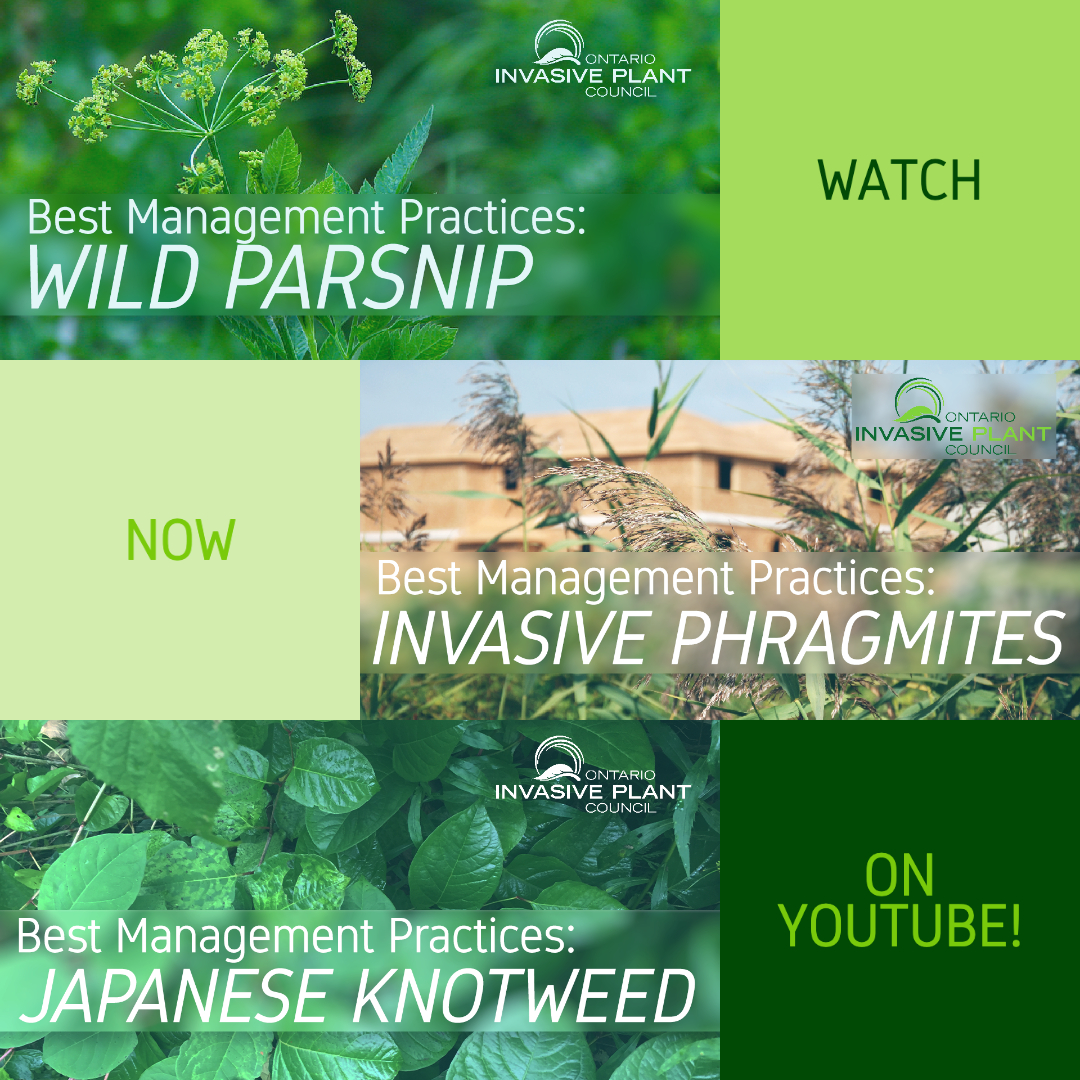
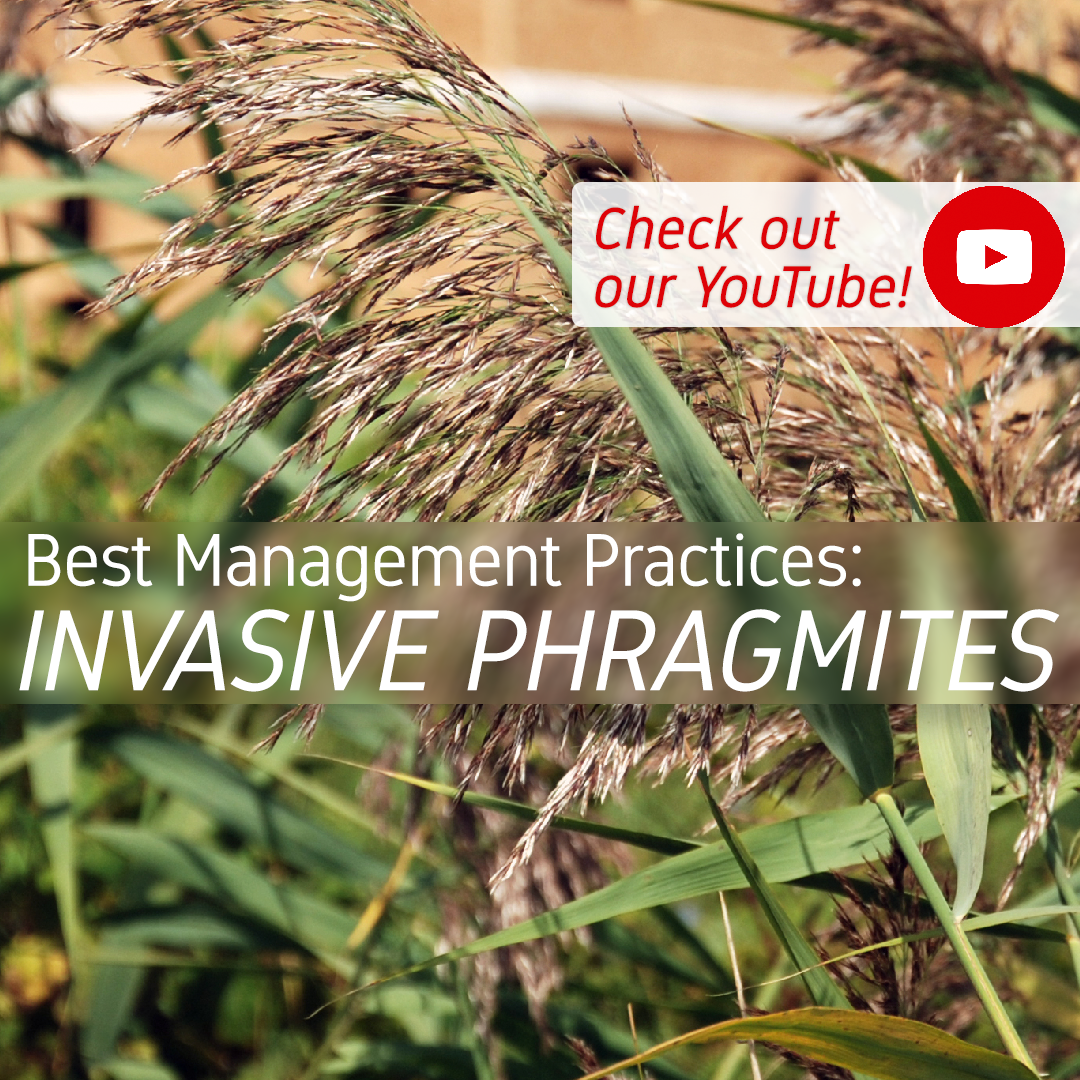
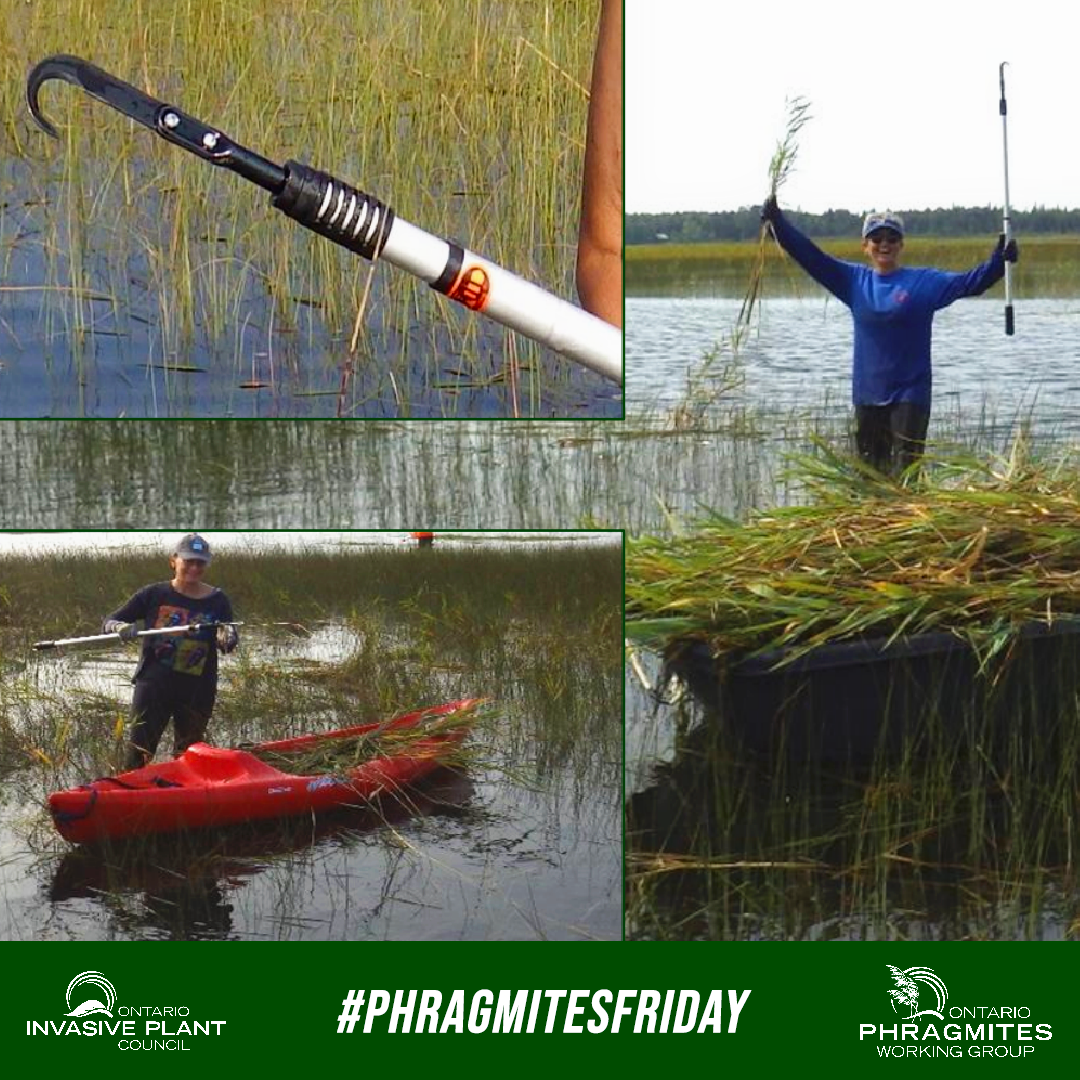
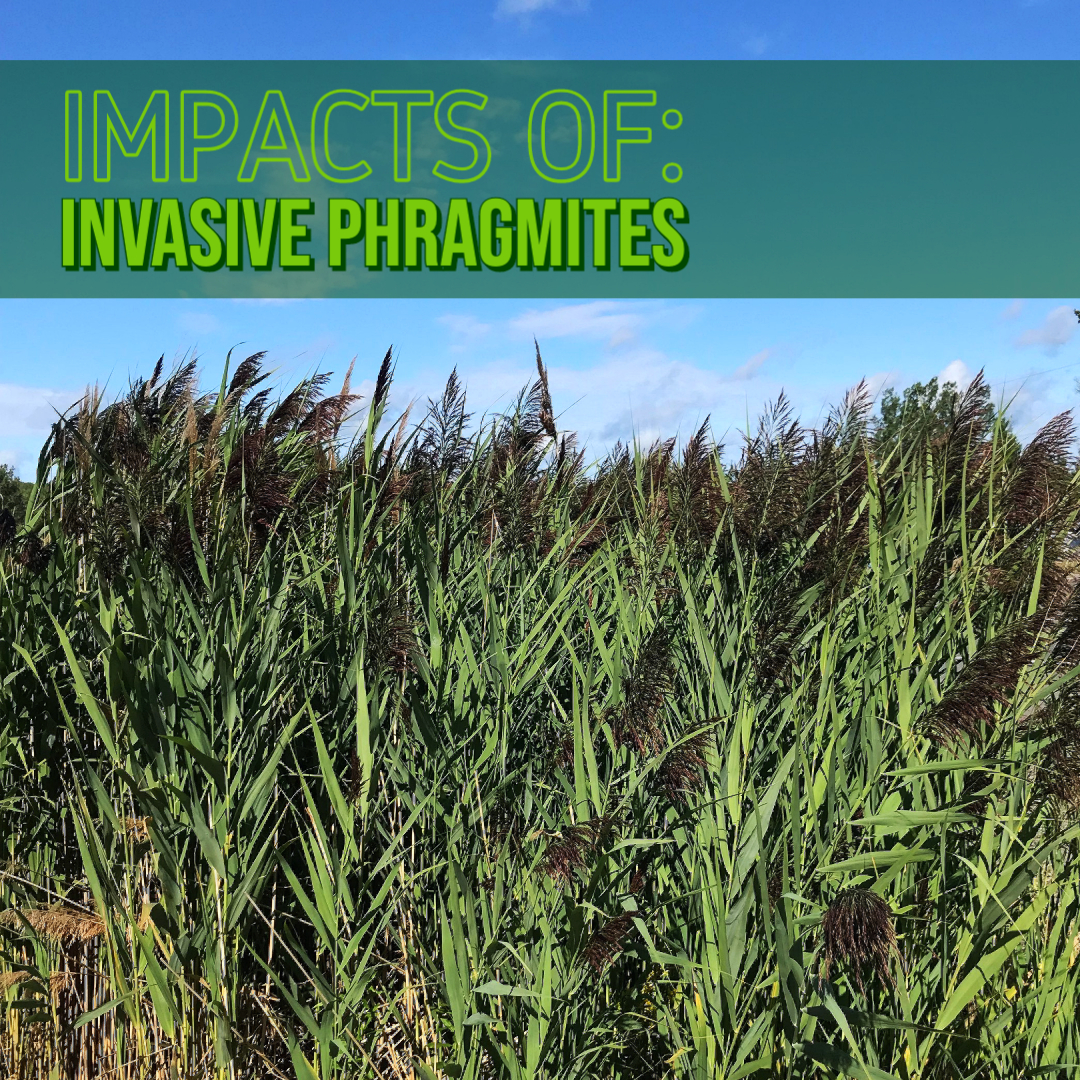
  • MNR has released a Best Management Practices Document for invasive Phragmites (common reed)  
  • Giant Hogweed - research on control techniques done near Guelph in 2010.
  • Giant Hogweed Impersonators - see what other plants may be confused with Giant Hogweed; provided by Halton Conservation
  • Would you like to become a member of OIPC? Click HERE for the registration form!
  • A Quick Reference Guide to Invasive Plants in Ontario see Info & Resources - publications
Upcoming Events

Definition

Invasive species - Alien species whose introduction or spread negatively impact native biodiversity, the economy and/or society, including human health.

Alien Species - Plant, animals and micro-organisms that have been accidentally or deliberately introduced into areas beyond their native range.  Synonyms may include introduced, non-native and exotic. 


The Problem

Invasive alien plants cost us all money.  They are a huge drag on the economy.  Consider the simple subset of the added cost to farmers (over $2.2 Billion annually in Canada) and to your weekly grocery bill. They also cost us environmentally, as these invasives replace or compete with native species causing a loss of health (i.e. resilience in ecosystems)...in human terms adding to the risks for our future security, making adaptation to climate change more difficult and adding to the problem of biodiversity loss.

There are about 500 invasive plants in Canada.  Most of them (over 440) are in Southern Ontario, and thus most of the economic and biodiversity issues are in Ontario.


The Solution

You.  You have come to this website to get some information that will help you respond to the problem.  The OIPC is working to help you find what you need.  We hope that you will find the answers...or the path to them...on this website.  If you need some ideas for new ways to get engaged, see the Take Action page.  If you have some advice to improve the website, or information to share with others about invasive plants, please use the contact us page.